application area
Fermentation
Harnessing the power of microbes and precision biology to produce high-quality, scalable proteins and functional ingredients, unlocking sustainable pathways to next-generation foods.
01
Precision Fermentation
Focus
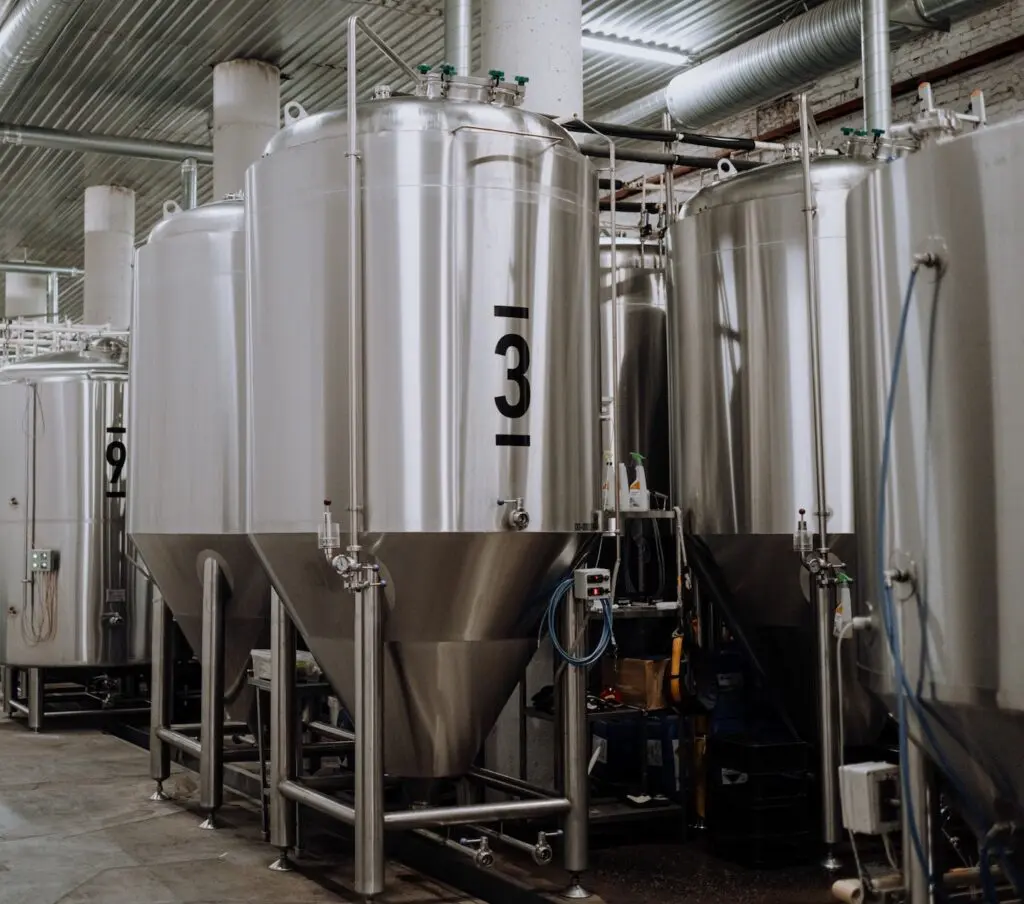
This is the microbrewery idea taken one step further: we program microbes to make specific ingredients, rather like asking yeast to craft a particular note of aroma or richness on demand. The goal is to produce key components such as proteins, pigments, flavours and lipids efficiently, to use in foods people already know and love.
Core Research Areas
- Design microbial cell factories for high titre production of proteins, fats, colourants, and micronutrients.
- AI-guided strain design, metabolic engineering, adaptive evolution, advanced analytics, and data driven methods to accelerate the design build test learn cycle.
- Development of novel expression systems and microbial consortia to improve yield and robustness.
- Creation of open microbial culture collections and shared strain libraries.
Intended Outcomes
High-efficiency fermentation platforms with reduced costs, improved productivity, and enhanced sustainability.
02
Traditional Fermentation
Focus
Think tempeh or sourdough, where communities of microbes do the patient work of transforming flavour, texture, and nutrition. We study and refine those microbial partnerships so everyday foods have phenomenal taste, better nutrition, and a lower carbon footprint, without costing the earth.

Core Research Areas
- Developing a natural kefir product using fermentation of plant-based sources while retaining the taste and enhancing vitamin B12 content.
- Develop modern measurement and modelling to understand how fermentation shifts taste, aroma, texture, and stability across different ingredients.
- Link fermentation outputs to food processing, safety, and consumer science pipelines so prototypes behave like food.
Intended Outcomes
Fermented foods and fermentation enabled processes that feel familiar, taste good, and perform consistently, supported by robust safety and quality understanding.
03
Biomass Fermentation
Focus
We grow naturally talented microbes the way a brewery grows yeast, only instead of beer we harvest nutritious food. By tuning the recipe, the feedstock, and the conditions, we turn fast growing yeasts and fungi into protein rich food for a familiar culinary experience.
Core Research Areas
- Discover and screen diverse yeasts for desirable nutrition profiles, including protein and lipids, using high throughput approaches and advanced single cell characterisation.
- Build a broad strain library from established collections and food matrices, then select top performers for scale up, food processing, sensory, safety, and nutrition assessment.
- Bacterial cellulose and mycelium-based scaffolds for structural food components.
- Develop fungal platforms that grow well on diverse and sustainable feedstocks, using adaptive laboratory evolution and engineering biology to improve robustness and performance.
Intended Outcomes
Reliable, scalable microbial food ingredients that are nutritious, affordable, and resilient, with a clear path from lab to pilot scale and beyond.
04
Bioprocessing & Scale-Up Engineering
Focus
Advancing fermentation process design and scale-up methods to bridge laboratory and industrial production.
Core Research Areas
- Scale-up of microbial and fungal fermentations in pilot-scale bioreactors.
- Downstream processing (DSP) optimisation for recovery and purification.
- Process monitoring, data integration, and modelling for cleanability and reproducibility.
- Design of modular, low-cost bioreactors suited to diverse global contexts.
Intended Outcomes
Efficient, scalable fermentation infrastructure enabling translation of microbial innovations into commercial production.
key application areas
Our integrated research ecosystem is structured across these core innovation platforms:
Fermentation
Programing microbes to make specific ingredients, like asking yeast to craft a particular note of aroma or richness on demand.
Cultivated Meat
Creating robust, high-yield cell lines for meat cultivation across multiple species.
Plant & Algae Protein
Turning locally grown grasslands and forage crops like red clover into protein-rich ingredients using gentle and scalable biorefining.
Nutrition
Ensuring that alternative proteins not only match but exceed the nutritional and health impact of conventional foods.
Sustainable Feedstocks
Transforming agricultural side streams into valuable inputs for microbial, plant, and cell-based protein production.
Hybrid
Exploring the interfaces between major protein platforms to engineer novel hybrid foods and production systems.
Other
Voluptatem necessitatibus esse vel explicabo aliquid architecto quo in. Sed est impedit sit laboriosam. Sed ut natus facere omnis eum autem.