application area

Cultivated Meat

Applying advances in cell biology, tissue engineering and bioprocess design to produce real animal protein directly from cells, offering a sustainable pathway to meet global demand without conventional livestock production.

01

Cell line development & engineering

Focus

Creating robust, high-yield cell lines for meat cultivation across multiple species

Core Research Areas
  • Generation and optimisation of immortalised cell lines. ​
  • Application of engineering biology for stable growth, enhanced differentiation, and improved nutritional composition. ​
  • Use of omics data and AI-guided design to identify key growth and metabolic pathways. ​
  • Engineering cells for resilience to shear stress, temperature variation, and contamination risk.
Intended Outcomes

Stable, high-performing cell lines suitable for scalable cultivated meat production with improved quality and safety. 

02

Serum-free media & growth factor innovation ​

Focus

Designing cost-effective, animal-component-free growth media to enable large-scale cultivated meat production.

Core Research Areas
  • Replacement of serum with recombinant or fermentation-derived growth factors and peptides. 
  • Identification of minimal, defined media formulations for different cell types. 
  • Engineering of self-sufficient or “growth factor–producing” cells to reduce reliance on supplements. 
  • Valorisation of agricultural side streams as nutrient sources for media formulation.
Intended Outcomes

Affordable, sustainable, serum-free media formulations that dramatically reduce production costs.

03

Scaffolds, structure & texture

Focus

Developing edible and functional scaffolds to support tissue formation, texture, and product realism. 
Core Research Areas
  • Biomaterial scaffolds (e.g., plant polymers, bacterial cellulose, mycelial structures). 
  • Design of porous matrices that mimic muscle architecture and promote cell adhesion and alignment. 
  • Integration of mechanical and sensory testing to correlate scaffold design with texture perception. 
  • Hybrid systems combining plant and cultivated components for structured products. 
Intended Outcomes

Scalable scaffold systems that enable tissue-like texture and improved consumer acceptance. 

04

Bioprocess Development & Scale-Up

Focus

Advancing cell culture process engineering to improve productivity and enable industrial-scale manufacturing. 

Core Research Areas
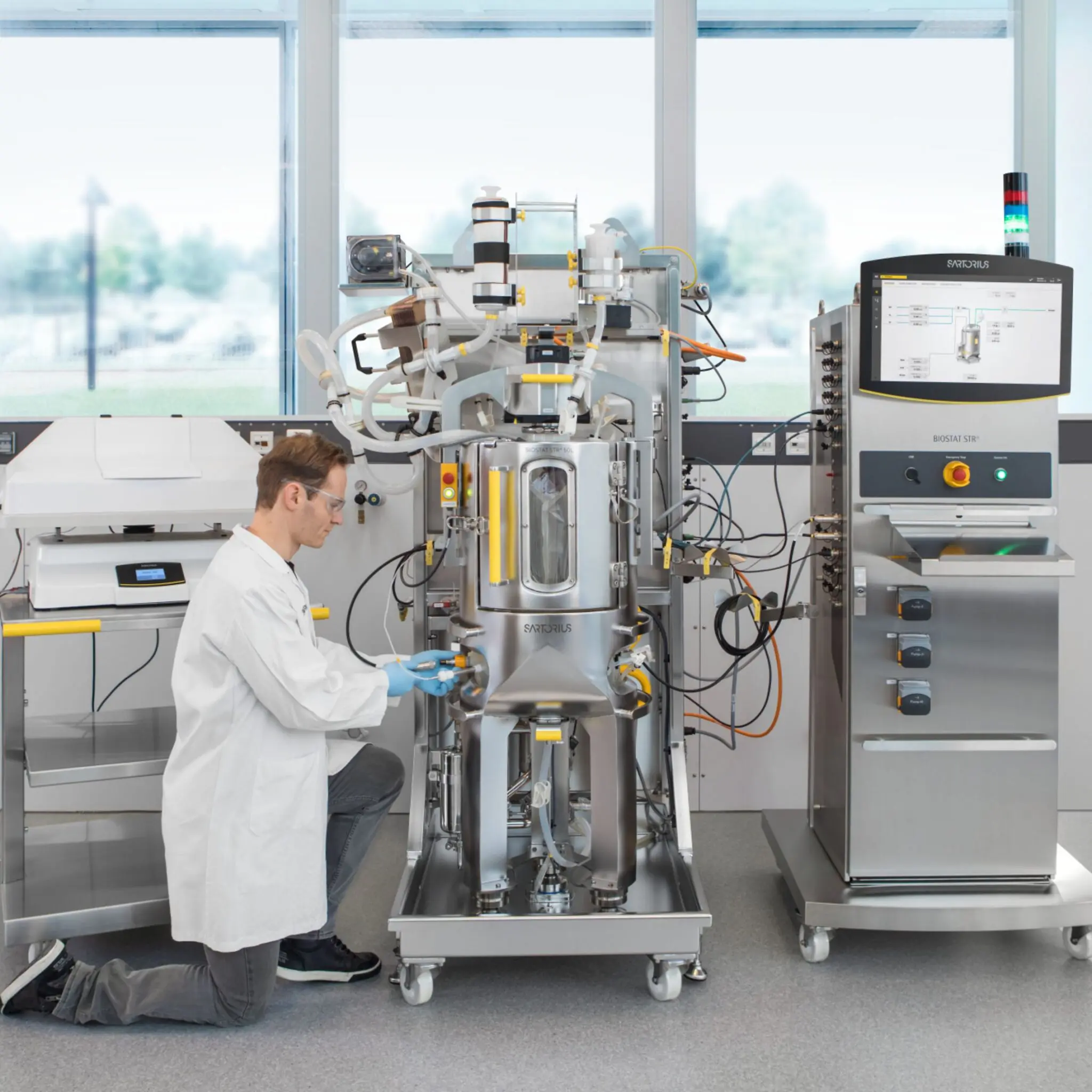
  • Design of bioreactors for adherent and suspension cell growth (stirred-tank, perfusion, or novel batch systems).
  • Development of monitoring, automation, and process control strategies for cell culture scale-up.
  • Optimisation of hydrodynamics, nutrient transfer, and cell viability at large volumes.
  • Integration of techno-economic and life-cycle analysis to guide process design and cost reduction.
Intended Outcomes

Efficient, scalable, and cleanable bioprocess systems for reproducible cultivated meat production.

05

Product Quality, Nutrition & Consumer Acceptance

Focus

Ensuring cultivated meat achieves the taste, texture, nutrition, and trust required for market success.

Core Research Areas
  • Analysis of flavour, aroma, and textural attributes in cultivated tissues.
  • Enhancement of nutritional composition through lipid and amino acid profile engineering.
  • Assessment of sensory performance in hybrid and whole-cut prototypes.
  • Consumer and regulatory studies to evaluate acceptance, labelling, and communication strategies.
Intended Outcomes

Cultivated meat products that match or exceed conventional meat in sensory quality, nutritional value, and consumer confidence.

Ready to scale your food innovation?

Access up to £100k equity free-funding, pilots with leading corporates and world-class facilities through the Sustainable Food Accelerator