application area
Plant & Algae Protein
Harnessing advances in crop science, genetics and sustainable cultivation to unlock diverse, nutrient-rich ingredients that strengthen food system resilience
01
Sustainable Plant Protein Biorefining
Focus
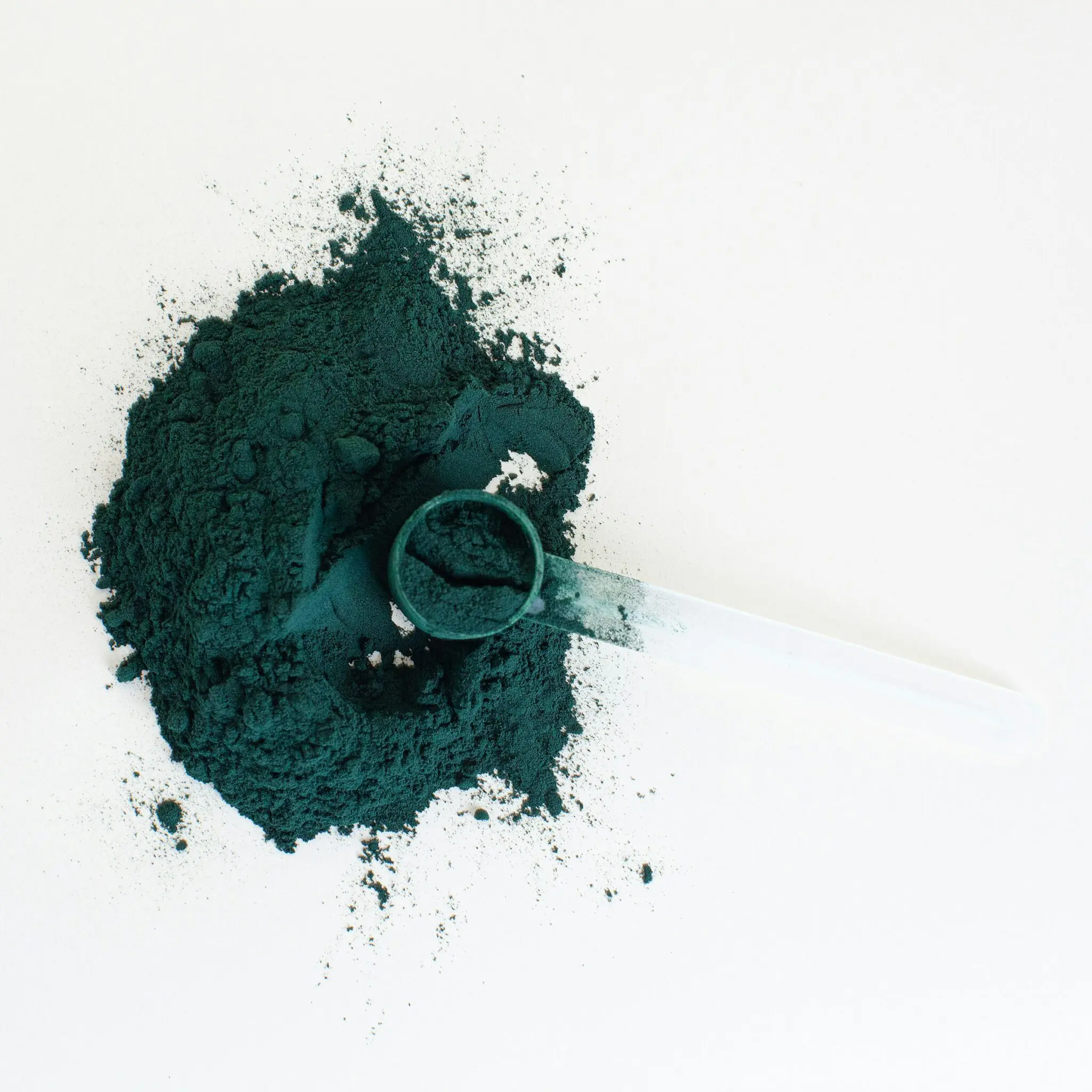
Our researchers are turning locally grown grasslands and forage crops like red clover into protein-rich ingredients using gentle and scalable biorefining. Just as olive oil is pressed from simple fruit, we isolate valuable protein fractions from underutilised plant matter for integration into mainstream food systems.
Core Research Areas
- Leaf and forage crop protein isolation via scalable aqueous extraction methods.
- Integration of surplus food streams into biorefining workflows for improved yield and circularity.
- Evaluation of sensory and nutritional performance for regionally adapted plant proteins in food matrices.
- Fractionation techniques to concentrate protein isolates with minimal processing.
- Upcycle waste streams (e.g. rice bran, spent grain) into food-grade proteins.
Intended Outcomes
Cost-effective, high-quality, scalable plant proteins that strengthen regional supply chains, lower environmental impact and diversify sustainable food ingredient options.
02

Protein Structuring, Texture & Sensory Science
Focus
We are using advanced food structuring methods such as high-moisture extrusion to create layered, meat-like textures from plant-based proteins. This process – not unlike making pasta or puff pastry – aligns protein fibres to produce satisfying bite and chew.
Core Research Areas
- High-moisture extrusion of legume and cereal proteins into fibrous, anisotropic textures.
- Modelling and analysis of process conditions to fine-tune mouthfeel and water-holding capacity.
- Enzymatic pre-treatment and mechanical characterisation to support novel texturization strategies.
- Sensory and rheological analysis linking composition to consumer perception
Intended Outcomes
Improved plant-based textures and sensory experiences that enhance consumer acceptance and product quality.
03
Plant Immune Engineering for Crop Resilience
Focus
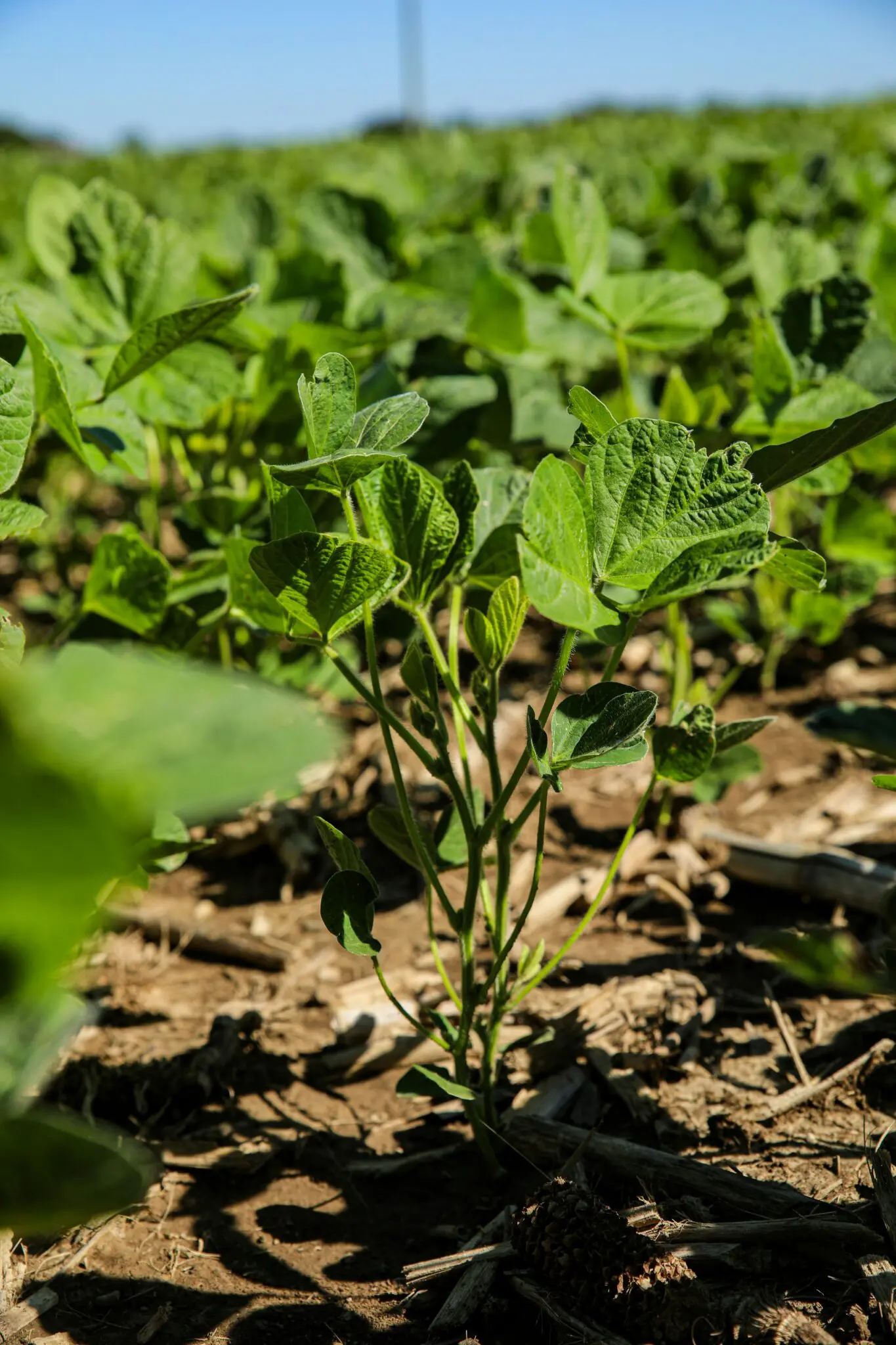
Better proteins begin with better plants. Our work enhances disease resistance and stress tolerance in crops through cutting-edge bioengineering, helping ensure higher yields and more reliable harvests for sustainable protein production.
Core Research Areas
- New tools for plant disease, pesticide management and plant immunity to boost crop yields and protect agricultural stability.
- High-throughput engineering and screening of plant immune receptors.
- Development of crop varieties with reduced susceptibility to biotic and abiotic stress.
- Breeding high-protein legume and grain varieties using smart phenotyping and transformation tools.
Intended Outcomes
Resilient crops with improved performance and fewer input requirements, enabling long-term protein sustainability and food security.
key application areas
Our integrated research ecosystem is structured across these core innovation platforms:
Fermentation
Programing microbes to make specific ingredients, like asking yeast to craft a particular note of aroma or richness on demand.
Cultivated Meat
Creating robust, high-yield cell lines for meat cultivation across multiple species.
Plant & Algae Protein
Turning locally grown grasslands and forage crops like red clover into protein-rich ingredients using gentle and scalable biorefining.
Nutrition
Ensuring that alternative proteins not only match but exceed the nutritional and health impact of conventional foods.
Sustainable Feedstocks
Transforming agricultural side streams into valuable inputs for microbial, plant, and cell-based protein production.
Hybrid
Exploring the interfaces between major protein platforms to engineer novel hybrid foods and production systems.
Other
Voluptatem necessitatibus esse vel explicabo aliquid architecto quo in. Sed est impedit sit laboriosam. Sed ut natus facere omnis eum autem.