The Challenge
The shift toward sustainable protein is essential to reducing the environmental footprint of food production, yet taste remains the main barrier to consumer adoption. While plant-based products are more sustainable, consumers consistently prefer animal-based foods for their familiar flavour and texture.
The challenge was to predict which plant-based product in a pair would be perceived as closer in sensory similarity to its animal counterpart, without using any sensory training data. This framed the problem as a zero-shot learning task where models had to infer sensory similarity using only ingredient, nutritional, and chemical information. By addressing this challenge, the team aimed to enable faster, data-driven formulation of tasty, sustainable proteins that can truly compete with conventional meat.
The Approach
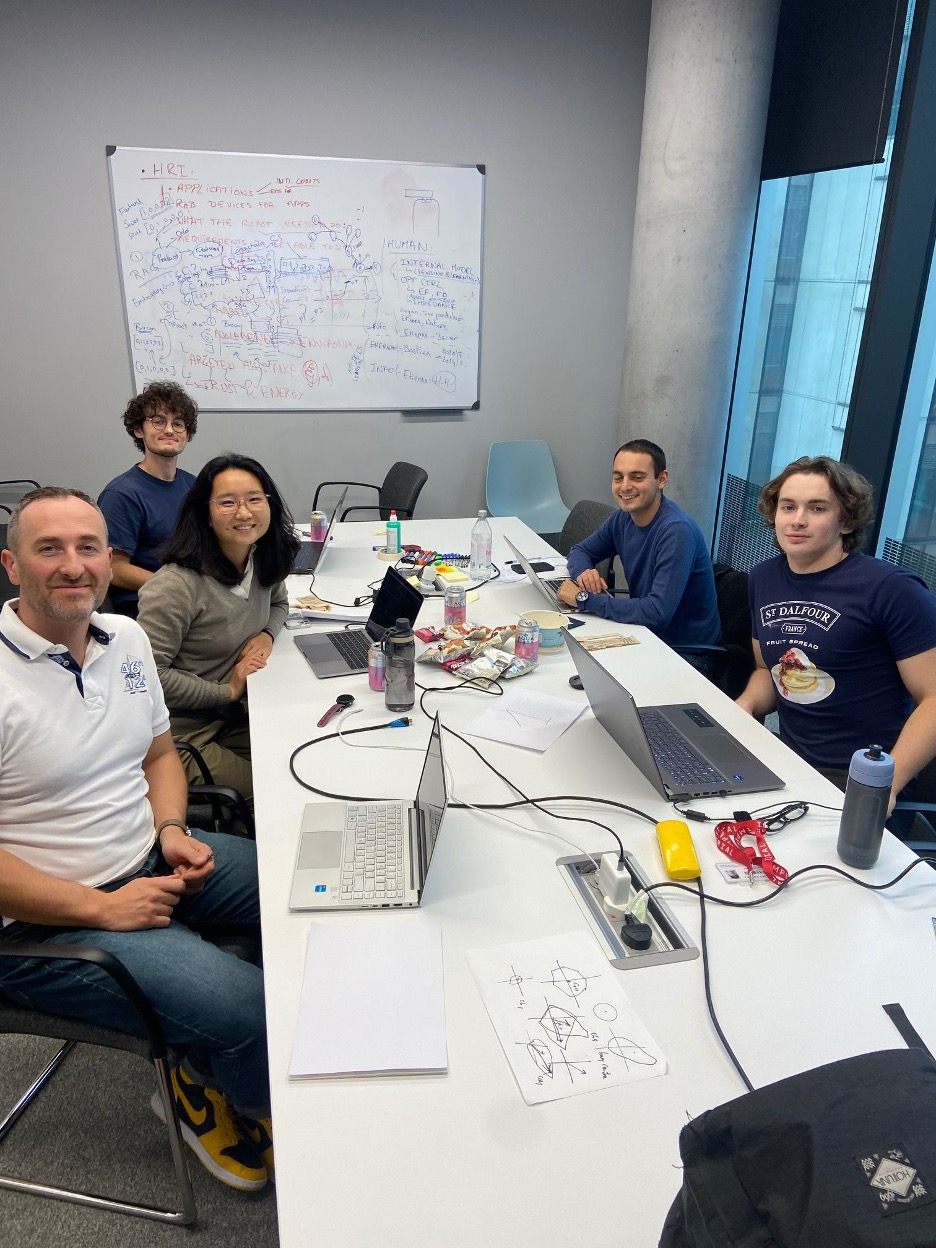
The team built a hybrid AI system using ingredient, nutritional, and LLM-generated flavour data to predict which plant-based product is closer to its animal-based reference—without any sensory training data. Chemical databases such as FooDB and ChemTastesDB were explored but ultimately not used, as they did not improve performance.
All preprocessing was done in KNIME, merging ingredients, nutrition, and initial flavour descriptors into one dataset. A GPT-5 Pro model generated detailed flavour profiles, category-specific sensory weights, and a Flavour Acceptability Index for each plant-based product and its corresponding synthetic animal reference.
In parallel, MiniLM embeddings were created from ingredient text, nutritional vectors, and LLM-generated descriptors. Cosine similarity to the animal reference provided an independent closeness score.
The final similarity measure combined 60% LLM acceptability and 40% embedding similarity, achieving 72% agreement with expert panel decisions, demonstrating that blending LLM sensory reasoning with embedding-based similarity can effectively predict flavour similarity zero-shot.
The Outcome
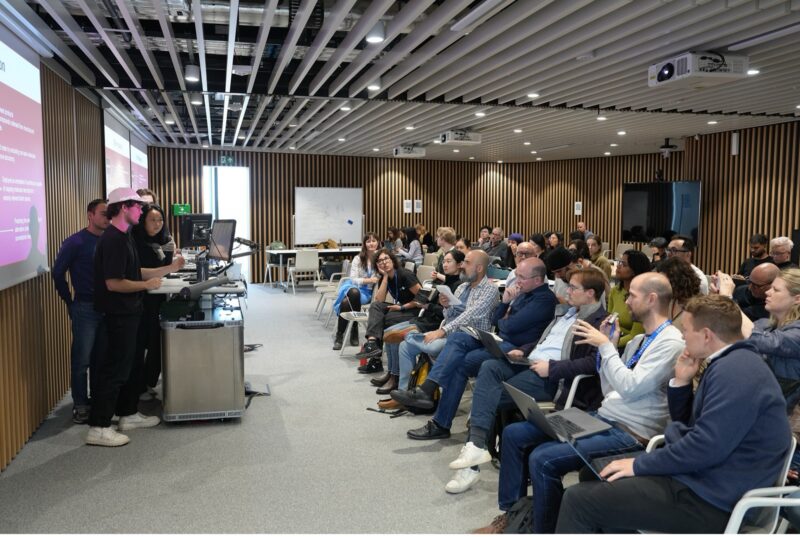
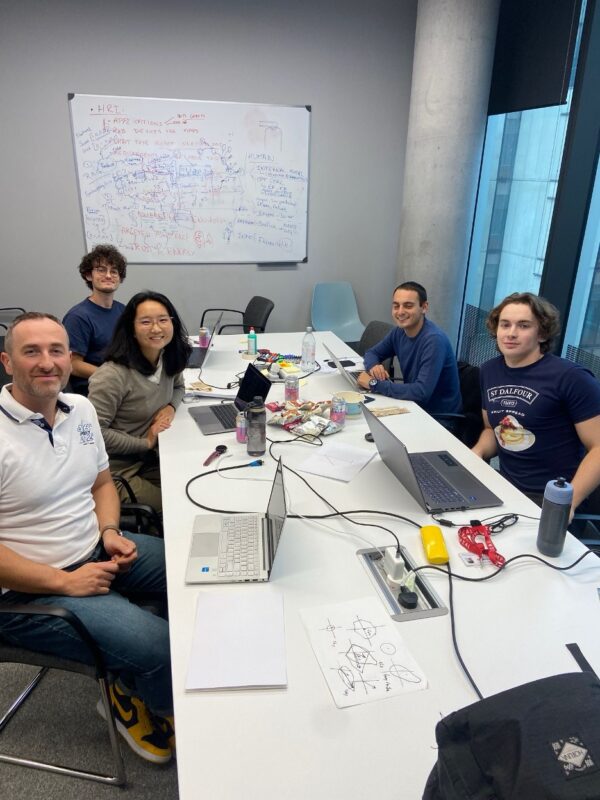
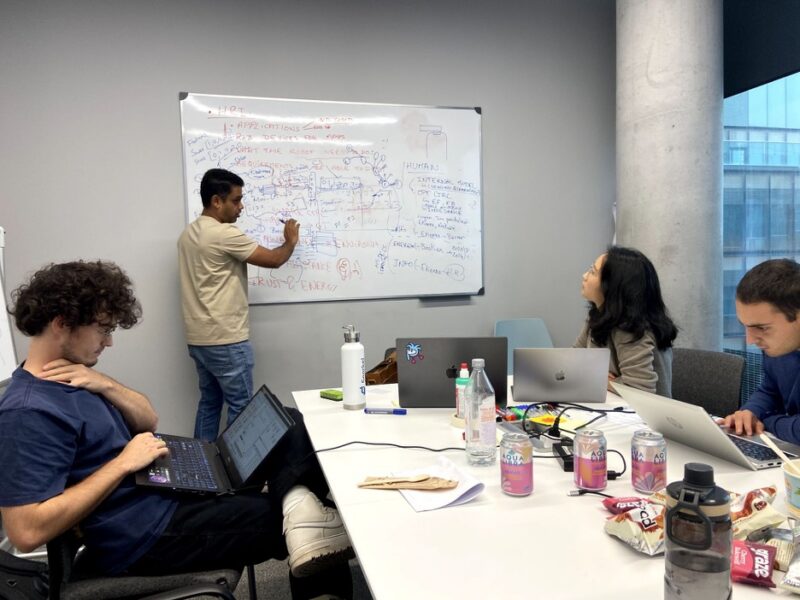
The resulting prototype introduced a conceptual framework for AI-driven sensory prediction, effectively serving as a virtual tasting panel. The model identified critical parameters such as protein content, sugar level, and the presence of flavor-active compounds that most strongly influenced sensory similarity. The baseline performance metric, prediction accuracy on statistically significant pairs, showed that zero-shot taste prediction is feasible using open data and intelligent embeddings. This proof of concept demonstrates how AI can accelerate flavor optimisation in sustainable protein design, reducing reliance on costly sensory trials and speeding up innovation in alternative protein formulation.